Home/Body Armor 4x4
Body Armor 4x4

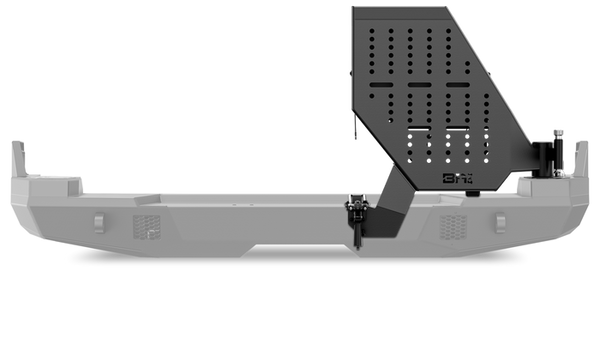


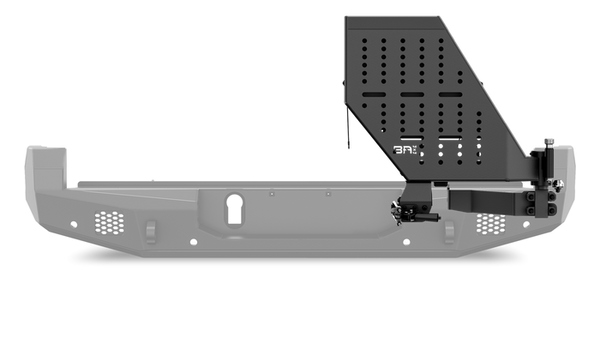
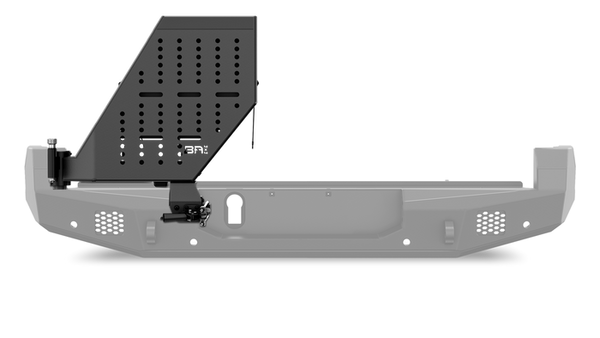


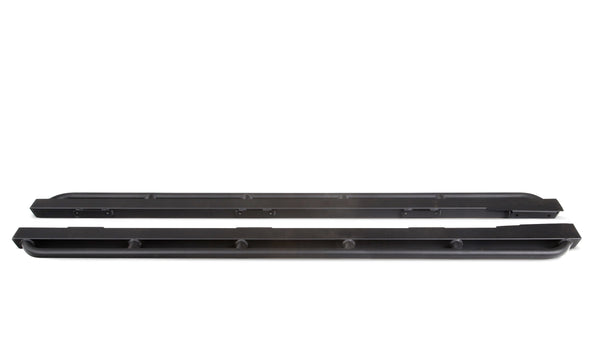


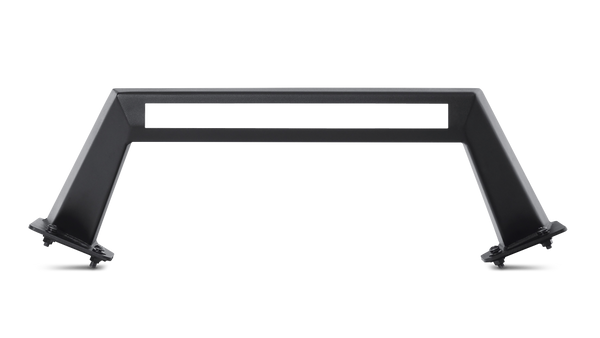

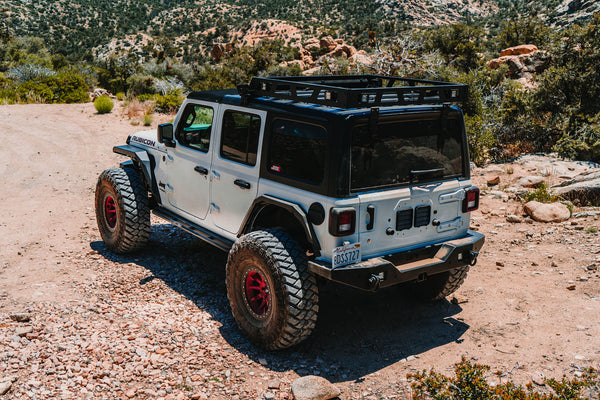
Body Armor 4x4 builds bumpers, racks and overland equipment — over 150 parts across front and rear bumpers, sliders, tire carriers and awning mounts.
Their bumpers are built around use rather than appearance: winch mounts, recovery points rated to be pulled on, and provision for auxiliary lighting are designed in rather than added later. A recovery point that is part of the bumper's structure is the difference between a recovery and a bumper leaving the vehicle.
The overland side — bed and roof racks, awning brackets, tire carriers — is designed to work together, which saves the adapter-bracket problem that appears when a rack from one maker meets an awning from another. Steel adds real weight; a heavier front spring usually follows a front bumper and winch.
Most listings here carry verified vehicle fitment, so you can filter to your own year, make and model rather than guessing from a part number.
Common questions
What counts as 4x4 body armour?
Parts that take an impact instead of the body: rock sliders, skid plates, steel bumpers and corner protection. They are structural rather than cosmetic, which is why mounting matters as much as the part.
What are rock sliders for?
They protect the rocker panel from rocks and ledges on a trail, and on many designs they are rated to take the vehicle's weight so you can jack or pivot off them. That rating is what separates a slider from a side step.
Do steel bumpers affect airbag sensors?
They can change how a frontal impact is sensed, which is why fitment to the specific vehicle matters. Check the configuration described on the product rather than assuming by model year.
How much weight does armour add?
Steel bumpers and sliders add meaningful weight at the ends of the vehicle, which affects ride height and sometimes needs a suspension change to carry. Plan the two together rather than in sequence.